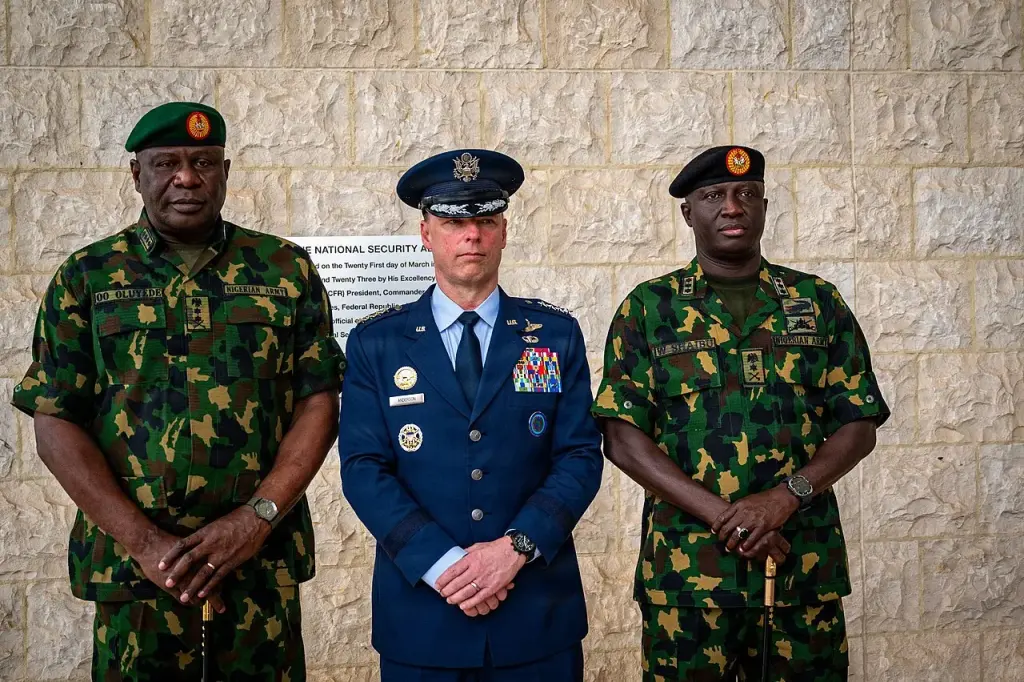
The Nigerian army denied on Thursday, November 5, in Abuja the existence of any ceasefire with Boko Haram or the Islamic State West Africa Province, known by the acronym ISWAP, and stated that its operations against the armed groups were continuing.
The Director of Defense Information, Major General Samaila Uba, made this denial during a joint press briefing of the defense, security, and intelligence services held at the National Center for Counterterrorism. He assured that the armed forces would continue to put pressure on insurgents, kidnappers, and other criminal groups.

This statement responds to an investigation published on September 7 by The New Humanitarian. The media outlet had reported, based on three sources in contact with Boko Haram officials, that an arrangement had been in place since June with the faction led by Bakura Doro. The Nigerian government and the military headquarters had not responded to requests for comment prior to this publication.
According to this investigation, the alleged agreement was related to the release in June of 360 civilians kidnapped three months earlier in Ngoshe, in Borno State, near the border with Cameroon. It did not involve ISWAP, a rival faction active around Lake Chad, whereas Thursday’s denial targets Boko Haram, ISWAP, and other armed groups.
To support the continuation of its operations, the general staff presented its report for the months of September and October. It claims to have conducted 588 operations in the six geopolitical zones of the country, killed 435 individuals described as terrorists or bandits, arrested 809 suspects, and secured the surrender of 198 insurgents.
The Defense also says it has freed 717 kidnapped individuals and recovered 5,666 weapons, ammunition, explosives, and improvised explosive devices. It specifically mentions operations in Buni Yadi, Baga, Kukawa, Bittai, and in the Owo forest, as well as the destruction of 57 illegal refining sites in the Niger Delta.
The denial comes as attacks by Boko Haram and ISWAP against military positions have increased in recent weeks in northeastern Nigeria. The insurgency, which began in 2009, has gradually spread to the Lake Chad basin and continues to affect border areas of Niger, Chad, and Cameroon.