The short rainy season, expected from October to December in the south of Côte d’Ivoire, could be marked by a rainfall deficit and temperatures above normal, warned SODEXAM in a note published on October 20. The meteorological agency fears effects on crops, water resources, and hydroelectric production.
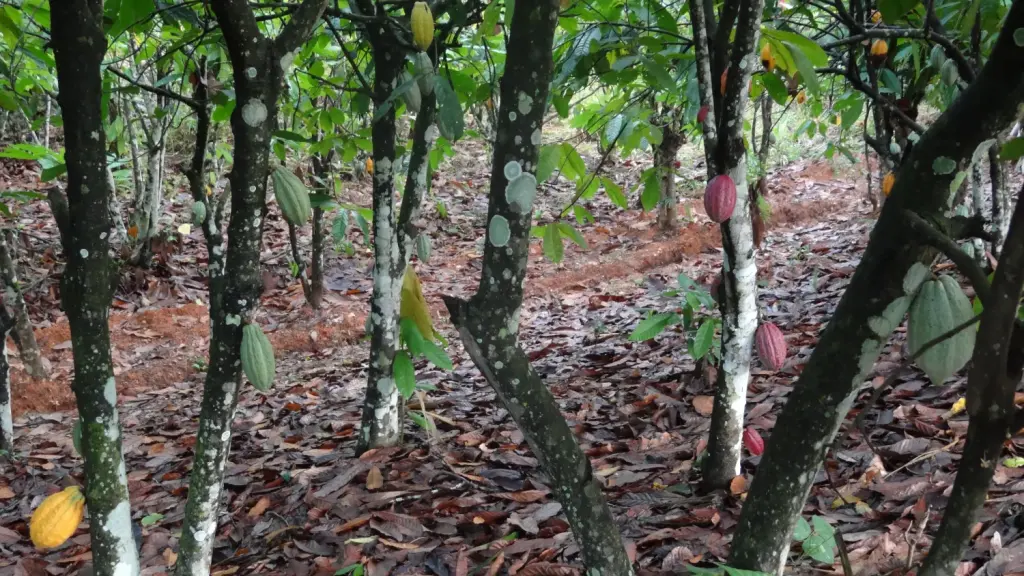
Cocoa, coffee, rubber, and oil palm are among the most vulnerable crops. A decrease in rainfall, combined with higher temperatures, can cause water and heat stress likely to reduce yields in the most affected areas, according to the National Meteorological Directorate.

The decrease in rainfall could also limit water inflows into the Bandama, Sassandra, Comoé, and Cavally basins. SODEXAM estimates that this trend could reduce the supply to certain dams and increase pressure on hydroelectric production.
At the same time, high temperatures could increase electricity consumption and the demand for drinking water. The alert thus concerns several sectors simultaneously, as the same conditions can impact agricultural operations, water reserves, and energy supply.
SODEXAM links these forecasts to the development of an El Niño episode observed since July 2026. The phenomenon is expected to strengthen between October and December before persisting until early 2027, with the possibility of drier-than-normal conditions in Côte d’Ivoire.
The organization specifies, however, that a general rainfall deficit does not mean a total absence of rain. Intense, localized, and short-duration episodes remain possible and can cause runoff or flooding in urban areas.
The combination of heat, dryness, and dust can also promote certain conditions sensitive to climatic conditions. Particular vigilance is recommended regarding the effects of heat and the risk of meningitis in regions usually exposed.
Populations, producers, and officials from the agriculture, water, energy, and health sectors are urged to monitor forecasts and warning bulletins. The National Meteorology Directorate continues to monitor the episode in order to adjust its alerts according to evolving conditions until early 2027.