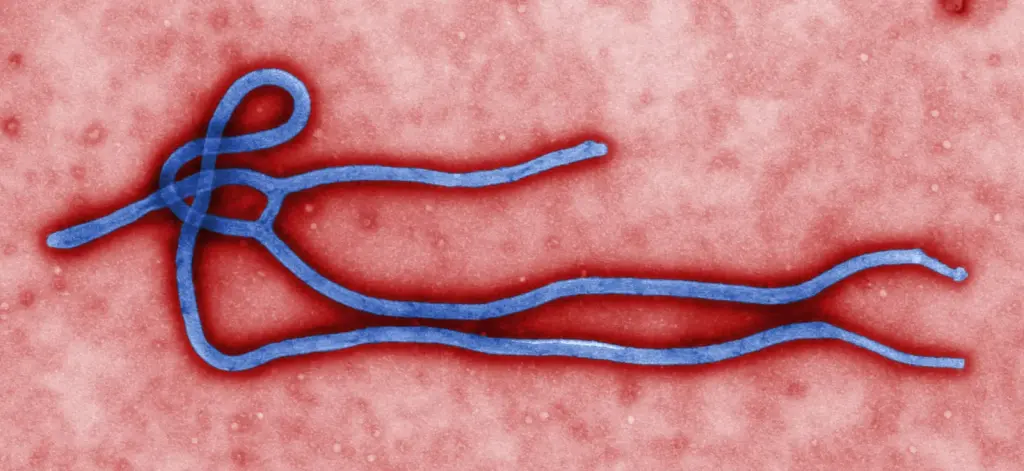
Nigeria evacuated on Monday, October 26, to Switzerland the only patient diagnosed with Ebola on its territory, accompanied by her husband, announced Nigerian Health Minister Muhammad Ali Pate. The couple left Abuja on a medical flight subject to strict health measures.
The patient was in a stable condition, conscious and able to communicate before her departure, according to the minister, who reported a marked clinical improvement. However, he specified that she could still transmit the virus. Her husband, a Swiss diplomat posted in Nigeria, showed no symptoms at the time of the evacuation.
Switzerland is now responsible for continuing the care and monitoring of the husband, considered the 53rd contact. Nigeria continues to monitor the other 52 people who were exposed, said Mohamed Janabi, the World Health Organization Regional Director for Africa. After the couple’s departure, no active cases have been recorded on Nigerian territory, but the authorities are maintaining surveillance and containment measures.
The case was confirmed on October 20 in a woman who had returned from Uganda to Abuja earlier in the month. The initial assessment identified 44 contacts. Contact tracing subsequently increased this total to 53 people, including healthcare workers, household members, domestic staff, and individuals involved in the initial care. None of these contacts had developed symptoms at the latest update from health authorities.
The origin of the infection remains undetermined. The patient’s travel documents do not indicate any passage through the Democratic Republic of Congo, the epicenter of the epidemic. However, she had stayed in Uganda before returning to Nigeria.
Africa CDC must send a team of scientists led by the Congolese virologist Jean-Jacques Muyembe to Abuja to investigate a possible connection with the first case detected in Kenya. Both patients passed through Entebbe airport on October 3, and genomic analyses show closely related viruses. However, these findings do not prove direct transmission between them, and no contact has been established at this stage.
The Bundibugyo strain identified in these cases currently has neither an approved vaccine nor a specific approved treatment. Investigations are ongoing to determine the transmission chain and to verify that no undetected outbreak is circulating in another country.