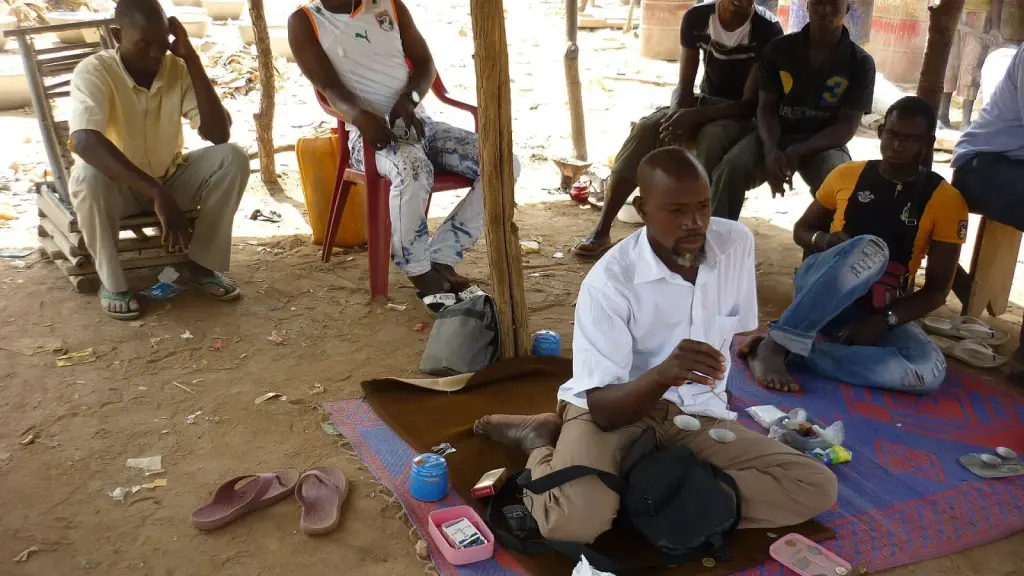
Several illegal gold mining sites in Lagrikro and Pangbankouamékro, in the sub-prefecture of Pakouabo near Bouaflé, remained unoccupied after less than two months of awareness campaigns and enforcement actions, observed a delegation led by the prefect of Marahoué on Thursday, November 5.
The mission led by Gonbagui Gueu Georges was tasked with evaluating the operations conducted with the defense and security forces, customary authorities, and local populations. The interventions notably resulted in the destruction of dredges and crushers, as well as the pursuit of gold buyers, according to local gendarmerie officials cited by the Ivorian Press Agency.
None of the dismantled sites in the department had been reoccupied at the time of the visit, the prefect said. The vigilance committees, village chiefs, youth leaders, and landowners participate in monitoring and must report any attempt at reoccupation.
These operations are part of the plan established on September 17 by the National Security Council. Regional prefects have committed to permanently eradicating illegal gold mining in their jurisdictions within six months, with a strengthening of specialized brigades, territorial intelligence, and surveillance resources.
The plan also includes 21 river security platoons to monitor the country’s four major rivers and their tributaries. A six-month moratorium on new artisanal and semi-industrial mining permits accompanies the announced tightening of sanctions.
Between 2021 and the first half of 2026, more than 8,500 dismantling operations were carried out and 4,474 people were brought before the courts, according to the Ivorian Ministry of the Environment. Annual tax losses related to illegal gold mining are estimated between 100 and 150 billion CFA francs.
The public response also includes the restoration of degraded sites and the economic reintegration of Ivorian gold miners. Labor-intensive work and the intervention of the Military Engineering Corps must be mobilized to rehabilitate the affected lands and waterways.
The prefect of Marahoué announced an assessment conducted in coordination with the National Security Council and the other prefects involved in the national mission. This evaluation aims to measure the results achieved and determine the additional measures necessary to prevent the reoccupation of the sites.