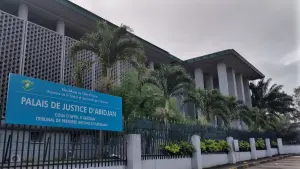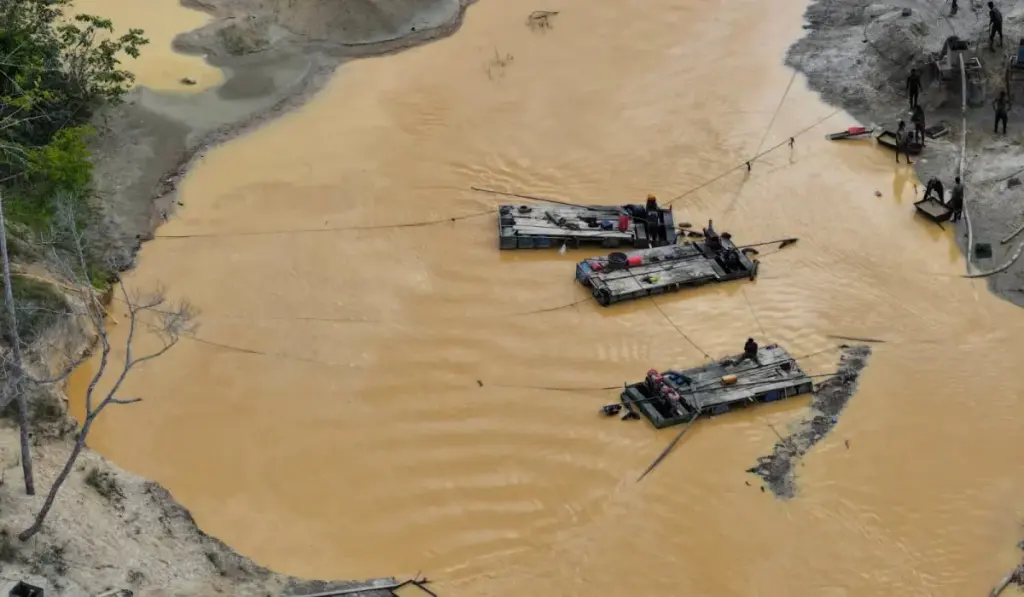
The Ivorian government launched on Thursday, October 22, in Abidjan the development of a national program aimed at restoring soils, water resources, and vegetation cover degraded by illegal gold mining, with the support of the United Nations Development Programme.
The system must map the affected sites, measure their level of pollution, and prioritize areas presenting the highest risks. The Minister of Environment and Ecological Transition, Abou Bamba, presented this approach at the opening of a national workshop dedicated to the environmental and health consequences of illegal activity.
According to the ministry, more than 8,500 dismantling operations were carried out between 2021 and the first half of 2026. During the same period, 4,474 individuals were brought before judicial authorities.
Authorities estimate the annual tax losses related to illegal gold mining to be between 100 and 150 billion CFA francs. Mercury consumption associated with this activity is estimated to reach approximately 13 tons per year, posing ongoing risks to soils, waterways, and local communities.
The UNDP is also supporting a pilot project in the N’Zi region, according to information presented by its resident representative Blerta Cela and reported by Abidjan.net. Submitted to the Global Environment Facility for an indicative amount of 12.5 million dollars, it plans to train 1,000 artisanal gold miners in mercury-free techniques and aims to benefit 25,000 people.
A restoration that complements the dismantlings
The national program under preparation must cover all stages from site identification to their rehabilitation. It includes the restoration of soil, water, and vegetation, as well as the securing of excavations and the treatment of residual pollution.
This directive comes after the measures decided by the National Security Council on September 17, 2026. The government now considers that the closure of illegal sites must be followed by rehabilitation in order to reduce health risks and restore the land to uses compatible with the safety of the population.
Local authorities and communities must be involved in the protection of rehabilitated areas. The project also includes sustainable economic activities to reduce the vulnerability of residents and prevent the reoccupation of restored sites.