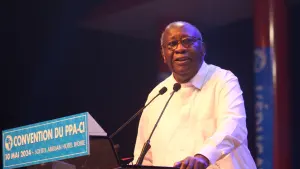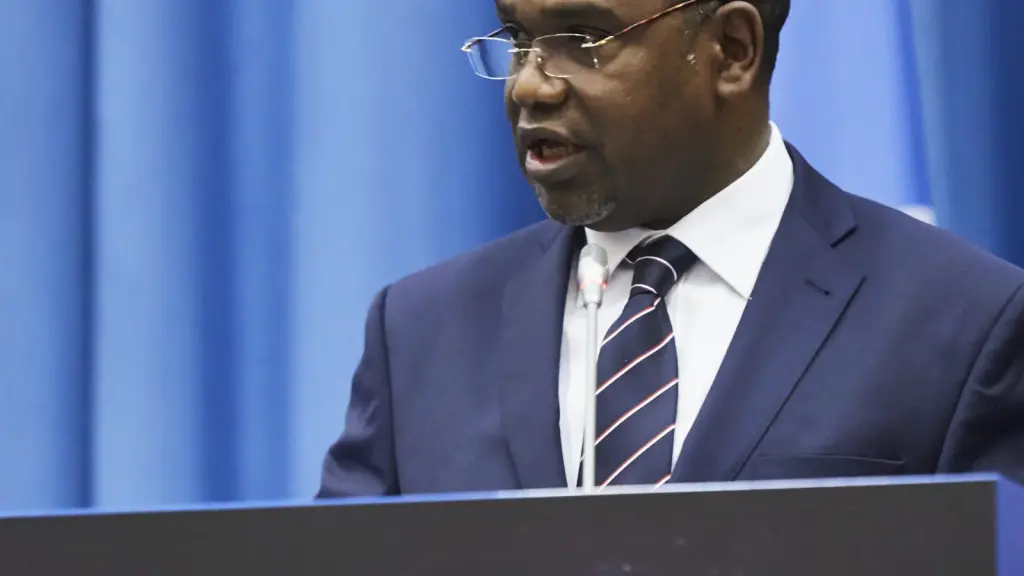
Former Burkinabe Foreign Minister Mamadou Alpha Barry and journalist Issiaka Lingani contested on Sunday, November 15, 2026, from Abidjan, the legal proceedings initiated against them by the Burkinabe judiciary in several cases related to terrorism.
The public prosecutor’s office at the Ouagadougou Court of Appeal announced on Friday fourteen international arrest warrants accompanied by extradition requests and seven other arrest warrants. Prosecutor Désiré Sawadogo indicated that more than 45 individuals and legal entities were involved in several proceedings.

Alpha Barry rejected the accusations during an interview with RFI in Côte d’Ivoire. The former Burkinabe foreign minister accused the military government of using these announcements to divert attention from the domestic situation, particularly following the return of Burkinabe gold miners expelled from Guinea.
Issiaka Lingani, who left Burkina Faso in 2023, also denied the allegations against him. The journalist described the accusations as “ridiculous” and linked them to his writings as well as his stance on the security situation in his country.
An extradition subject to Ivorian oversight
According to the report published by the Burkinabe public daily Sidwaya, Mamadou Alpha Barry is accused of complicity in a terrorist criminal association, illegal possession of weapons for terrorist purposes, and financing terrorism. Issiaka Lingani, for his part, is cited in proceedings for complicity in a terrorist criminal association. Their guilt has not been established, and the investigation is still ongoing.
The Burkinabe prosecutor’s office said it had sent cooperation requests to several countries where wanted individuals reside, notably Côte d’Ivoire, France, and the United States. In Abidjan, lawyer Abdoulaye Ben Méité recalled that extradition does not automatically result from a foreign request and that it is subject to review by Ivorian authorities and courts.
The Ivorian law of June 6, 2024, notably requires that the alleged acts also constitute an offense in Côte d’Ivoire. It also provides for refusal when the request concerns an Ivorian national, relates to a political offense, or exposes the requested person to prohibited treatment or to proceedings lacking fundamental guarantees.
The request must be transmitted through diplomatic channels with an arrest warrant or an equivalent judicial act, a detailed statement of the facts, and the applicable laws in the requesting State.