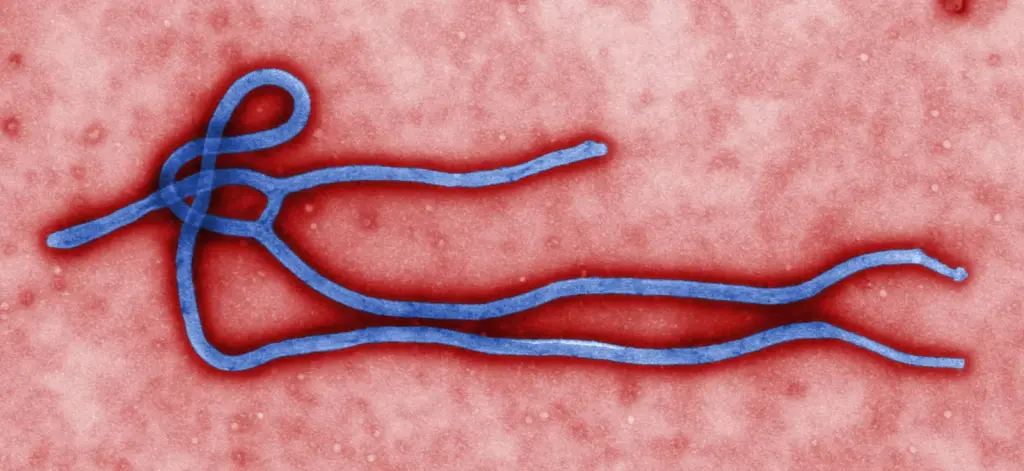
The Ugandan Virus Research Institute launched on Friday, November 27, in Uganda the first clinical trial conducted in Africa of an mRNA vaccine against the Bundibugyo species of the Ebola virus, which is fueling an epidemic in the Democratic Republic of Congo and has also affected Uganda.
This phase 1 study aims to recruit approximately 224 healthy volunteers aged 1 to 65 years. Screening and enrollment of participants have begun, according to the Ugandan institute, which plans to follow each volunteer for about one year after the injection.

The mRNA-1469-P102 protocol is being conducted with Moderna and aims to evaluate the safety of the candidate as well as its ability to trigger an immune response. This phase does not yet seek to demonstrate its effectiveness against the disease.
The same candidate began to be tested in Canada in August among adults aged 18 to 65. The Ugandan trial is expected to provide data for the first time in children from one year old, a population that researchers consider essential to prepare for broader use if the subsequent stages are successful.
The World Health Organization indicates that no vaccine is currently approved against the disease caused by the Bundibugyo virus. Its advisory group has recommended including mRNA-1469 and another candidate developed by the University of Oxford in the phase 2 and 3 Tumaini trial launched in October in the Democratic Republic of Congo.
The Ugandan program is supported by the Coalition for Epidemic Preparedness Innovations, which has committed up to $58.5 million to help Moderna develop this candidate. Ugandan regulatory authorities approved the protocol before the start of recruitment.
A separate trial of the ChAdOx1 BDBV candidate from the University of Oxford began in Uganda in October with 110 adults. Both programs are expected to produce complementary data on vaccines specifically designed against the Bundibugyo species.