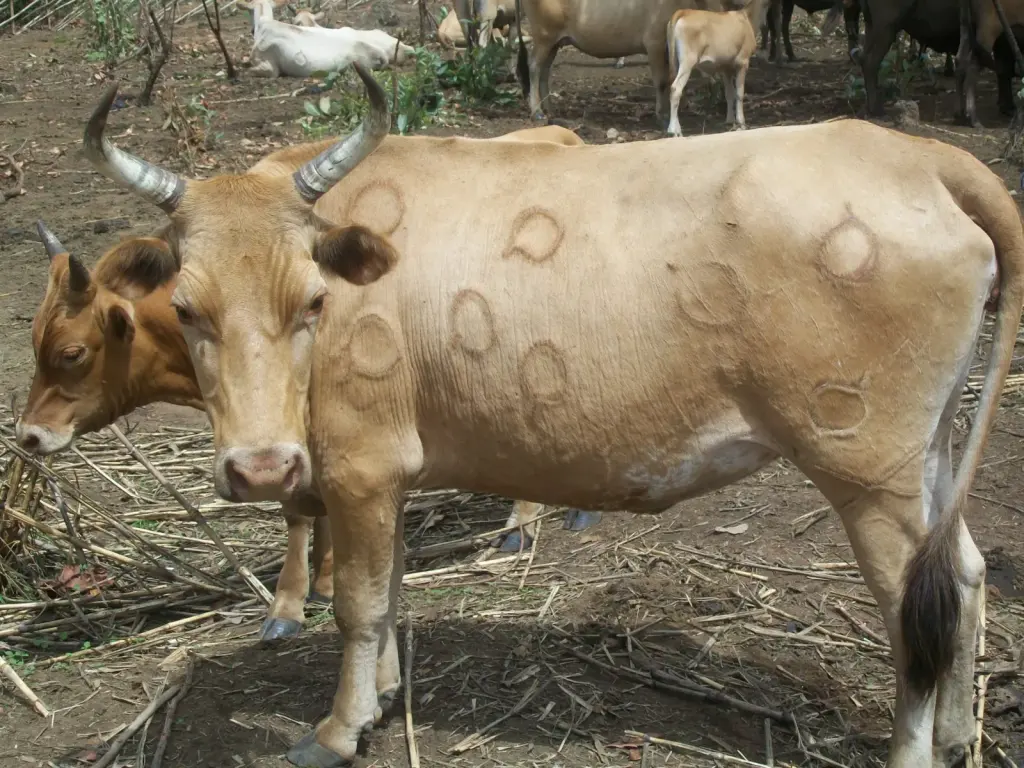
Ivory Coast is preparing the electronic identification of 20,000 livestock animals in five regions of the northern part of the country. The initiative was a key topic of discussion at the Livestock Summit in Abidjan, which concluded on Sunday, November 22, 2026, at the Treichville Sports Palace, as professionals called for more effective measures against cattle theft.
The project plans to link each animal to a unique identification number, its owner, and its movements. The information will be centralized in a national database to facilitate health inspections and the traceability of animals sold or transported.

The Ministry of Animal and Fisheries Resources recorded 2,350 ruminants stolen in 2025. Issaka Sawadogo, president of the large ruminants interprofessional organization, described at the fair the thefts committed in livestock parks, sometimes followed by the slaughter of animals outside veterinary control. Tracking the movement of the animals should help better document their origin.
The pilot phase, announced for a duration of twelve months, is set to begin in December 2026. It includes the distribution of 20,000 electronic loops for livestock and 5,000 microchips for pets. The ministry also announced the training of 62 identification agents and seven supervisors.
This experiment results from an agreement signed on August 5, 2026, with the company Vet’tronic, specialized in animal identification. A workshop held on October 1 then brought together ministry services and industry stakeholders to prepare the pilot zones and technical arrangements.
The installation cost represents a tangible issue for the operators. In a report broadcast on November 23, RFI mentioned a contribution of 5,000 FCFA per animal to be borne by the breeders. The ministry, for its part, had indicated that the funding for the experimental phase would be provided by the operator, with no cost to the State budget.
The identification of animals, their owners, and premises is governed by Decree No. 2024-665 of August 1, 2024. The authorities plan to host livestock data in Côte d’Ivoire, with the involvement of the National Information Technology Development Company and the National Universal Telecommunications Service Agency.
The expansion of the system to the entire territory should only take place after the evaluation of the pilot phase. This phase will also serve to test the reliability of tracking herd movements and monitoring animal health.